
On this page7
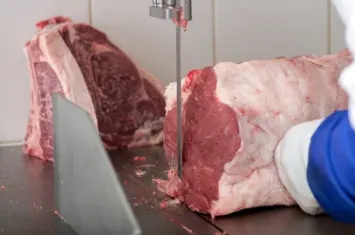
TFI Co. supplies butcher bandsaw blades for meat processing plants, butcher shops, supermarkets and catering kitchens across the UAE. The blades are made from strip steel with profile-ground, hardened tooth tips, and cut fresh and frozen meat, including bone, cleanly and with little waste.
What a food industry bandsaw blade does
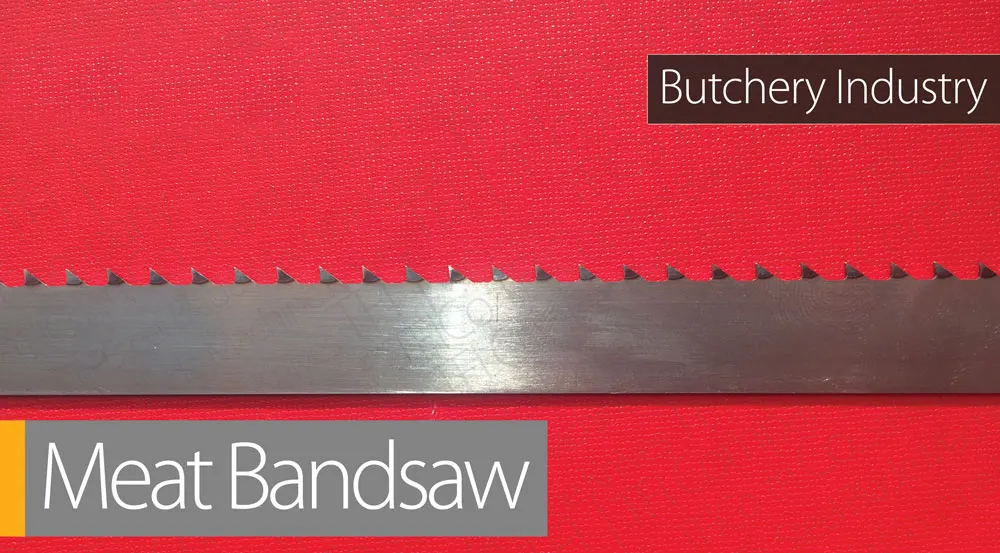
A meat bandsaw splits carcasses, portions bone-in cuts and slices frozen blocks to a consistent thickness, work no knife or cleaver does efficiently. The blade must be thin enough to flex millions of times over two wheels, hard enough at the tooth to stay sharp through bone, and clean enough for a food premises.
Our butcher blades cut beef, lamb and mutton, camel, deer, poultry and other meat, chilled or frozen, and pass through bone without tearing the surrounding meat.
Blade construction
Three features determine how a meat-cutting blade performs:
| Strip steel body | Strong, flexible strip steel that tracks straight and resists cracking at the weld and gullets |
|---|---|
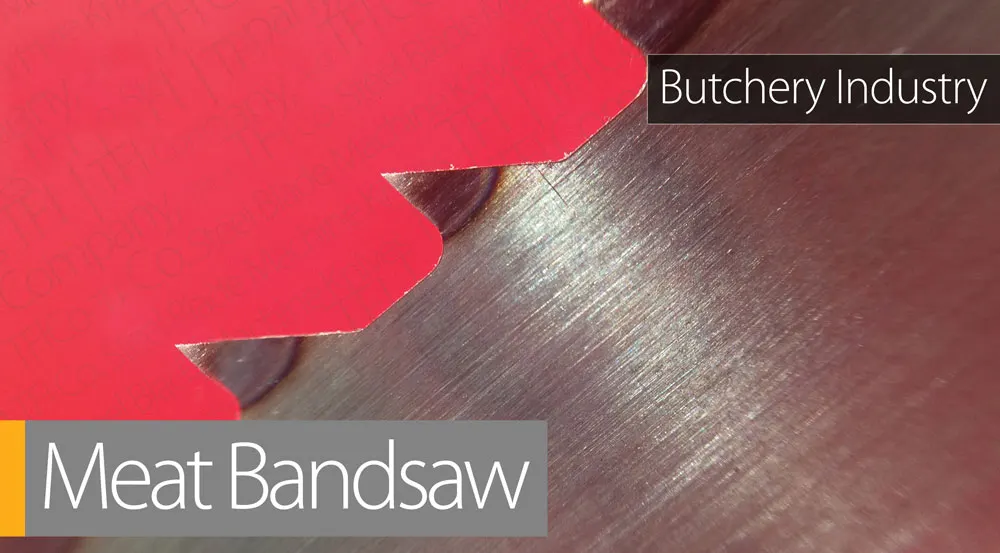
| Profile-ground teeth | Each tooth ground to shape rather than stamped: cleaner edge, consistent height, smoother cut face and less bone dust |
| Hardened tooth tips | Only the tips are hardened, so they hold sharpness through bone and frozen product while the body stays flexible |
- Strip steel body
- Strong, flexible strip steel that tracks straight and resists cracking at the weld and gullets
- Profile-ground teeth
- Each tooth ground to shape rather than stamped: cleaner edge, consistent height, smoother cut face and less bone dust
- Hardened tooth tips
- Only the tips are hardened, so they hold sharpness through bone and frozen product while the body stays flexible
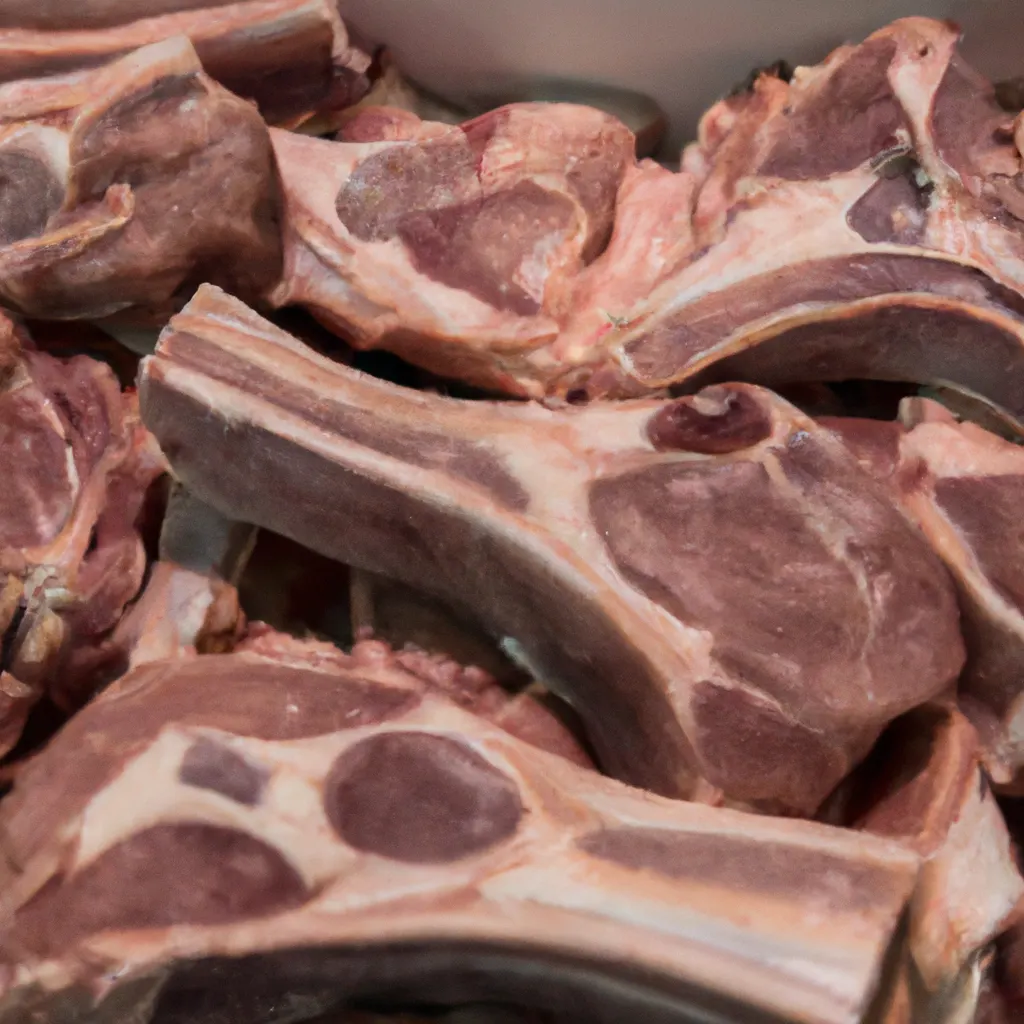
The result is less effort for the operator and less pressure on the meat, which helps yield and presentation. A clean face keeps steaks and chops looking right on the counter, and less bone dust means less trimming.
Cutting fresh, frozen and bone-in meat
Fresh and chilled meat
Fresh meat is soft and can be pulled or torn by a dull or coarse blade. A sharp, finer tooth gives a smooth surface on boneless and bone-in cuts. Keep the feed steady and let the blade do the work rather than pushing the product hard against it.
Frozen meat and bone
Frozen blocks and heavy bone need a stronger tooth with enough gullet space to clear the dust. A blade with hardened tips stays sharp much longer in this work. Tension the blade correctly, because frozen product deflects a slack blade and produces angled cuts.
Applications
Typical uses of our food industry bandsaw blades include:
- Splitting and quartering carcasses in slaughterhouses and processing plants
- Portioning bone-in cuts such as chops, T-bone and rib steaks
- Cutting frozen meat and fish blocks into slices or cubes
- Sawing marrow bones and soup bones
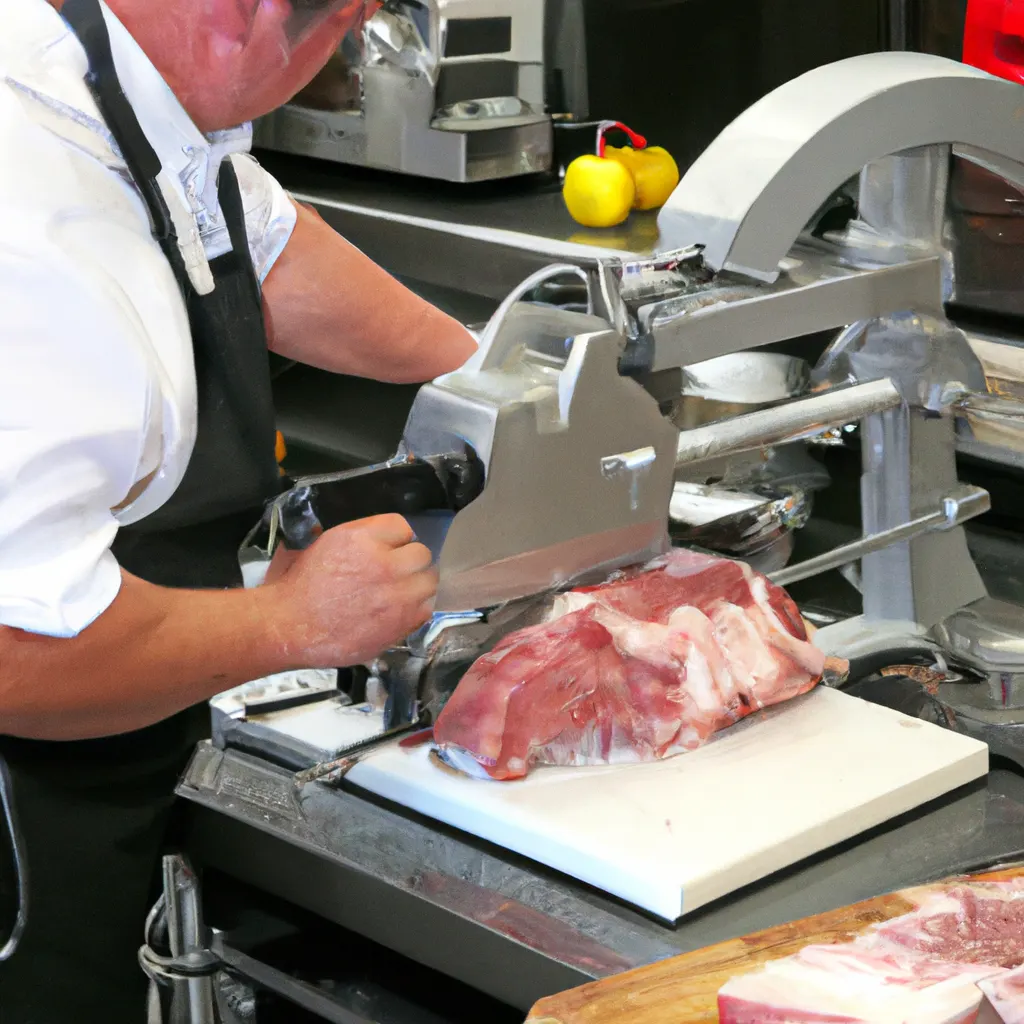
- General butchery in retail shops, supermarkets and hotel kitchens
The Loshan meat blade range is listed for three core uses: bone, meat and general butchery. That covers almost every UAE cut, from Eid volumes and whole camel carcasses to daily supermarket portioning.
Where one site handles very different products, such as fresh lamb on one saw and frozen imported beef on another, run a different pitch on each machine rather than one compromise blade.
Choosing tooth pitch and blade size
Butcher blades are specified by width, thickness, tooth pitch and welded length. As a general guide across the trade, the choice of pitch follows the product:
| Product | Typical pitch | Why |
|---|---|---|
| Fresh boneless and bone-in cuts | 4 TPI | Finer teeth leave a smoother, cleaner face on soft product |
| Poultry | 4 TPI | Clean cut through small bones without tearing skin |
| Frozen blocks and heavy bone | 3 TPI | Larger teeth and gullets clear frozen dust and carry the higher load |
| Carcass splitting | 3 TPI, wider blade | A wider blade holds a straight line through long cuts |
Fresh boneless and bone-in cuts
- Typical pitch
- 4 TPI
- Why
- Finer teeth leave a smoother, cleaner face on soft product
Poultry
- Typical pitch
- 4 TPI
- Why
- Clean cut through small bones without tearing skin
Frozen blocks and heavy bone
- Typical pitch
- 3 TPI
- Why
- Larger teeth and gullets clear frozen dust and carry the higher load
Carcass splitting
- Typical pitch
- 3 TPI, wider blade
- Why
- A wider blade holds a straight line through long cuts
Width and thickness are set by the machine. Small bench saws need thinner, more flexible blades to avoid fatigue cracks; heavy floor-standing saws run wider, thicker blades for stability in frozen product. Copy the size printed on your current blade, or give us the machine make and model.
Carbon steel food blades
Polished high-carbon steel with hardened, ground teeth is the trade standard. It cuts cleanly and economically, but must be dried after washing and stored dry, because wet carbon steel rusts quickly.
Stainless steel food blades
Stainless blades resist corrosion from meat acids, brine and constant washdown, and are easier to sanitise. They suit wet fish and seafood rooms. Confirm availability for your size when you order.


Hygiene, care and blade life
Blade care in a food plant is about hygiene as much as cutting. A daily routine, in line with your premises' food safety plan:
- Isolate the power and lock out the saw.
- Release tension and remove the blade, scrapers and tables.
- Wash with hot water and detergent, then disinfect and rinse.
- Dry the blade and wheels, check the scrapers for fat build-up, which makes the blade track badly.
- Refit and re-tension correctly: a slack blade can leave the wheels, an over-tensioned one can snap.
Release tension when the saw will stand idle for long, and store spare blades dry and coiled in their packaging.
| Sign | What it means |
|---|---|
| More bone dust on the cut face | Teeth are scraping rather than cutting |
| Rough, torn or uneven slices | Edges are dull; yield and presentation suffer |
| Blade wanders mid-cut | Set is worn unevenly or tension is low |
| Operator has to push harder | Dull blade, and a safety risk near the teeth |
| Visible crack at gullet or weld | Remove the blade immediately |
More bone dust on the cut face
- What it means
- Teeth are scraping rather than cutting
Rough, torn or uneven slices
- What it means
- Edges are dull; yield and presentation suffer
Blade wanders mid-cut
- What it means
- Set is worn unevenly or tension is low
Operator has to push harder
- What it means
- Dull blade, and a safety risk near the teeth
Visible crack at gullet or weld
- What it means
- Remove the blade immediately
We favour planned maintenance over running a blade until it tears: busy bone-cutting saws do better with blades changed on a fixed schedule, and we can help you set that schedule and match it to regular deliveries.
Can the same blade cut fresh and frozen meat?
Yes, many butchers use one blade for both. If most of your work is frozen blocks or heavy bone, ask us about a tooth pitch suited to that work, as it will keep its edge longer.
Can you supply welded blades for my machine?
Yes. The blades come from coil and can be welded to the length your machine requires. Give us the exact length, or the machine make and model, when you order.
How often should a butcher blade be changed?
It depends on the volume and the amount of bone and frozen product you cut. Change it when the cut face becomes rough, the blade starts to wander, or the operator needs to push harder than usual.
Which meats can be cut with these blades?
Beef, lamb and mutton, camel, deer, poultry and fish, fresh or frozen, with or without bone.
How do I place an order?
Our guide to ordering TFI Co. bandsaw blades explains what details to send. You can then order through the form below or call us toll-free.
Order food industry bandsaw blades online
Please include the blade width x thickness, the welded length (or coil metres if you weld in-house), the tooth pitch or TPI, what you cut (fresh, frozen, bone-in), the quantity, your machine model, and the emirate for delivery. We appreciate scheduled orders, so a regular blade call-off for your shop or plant is easy to arrange.
- Updated
- October 7, 2026
- Reading time
- 6 min read
Order or plan your blade supply
We appreciate scheduled orders, favour planned blade maintenance and offer good prices for bulk orders. Tell us what you need and our team replies by email.
Send an enquiry